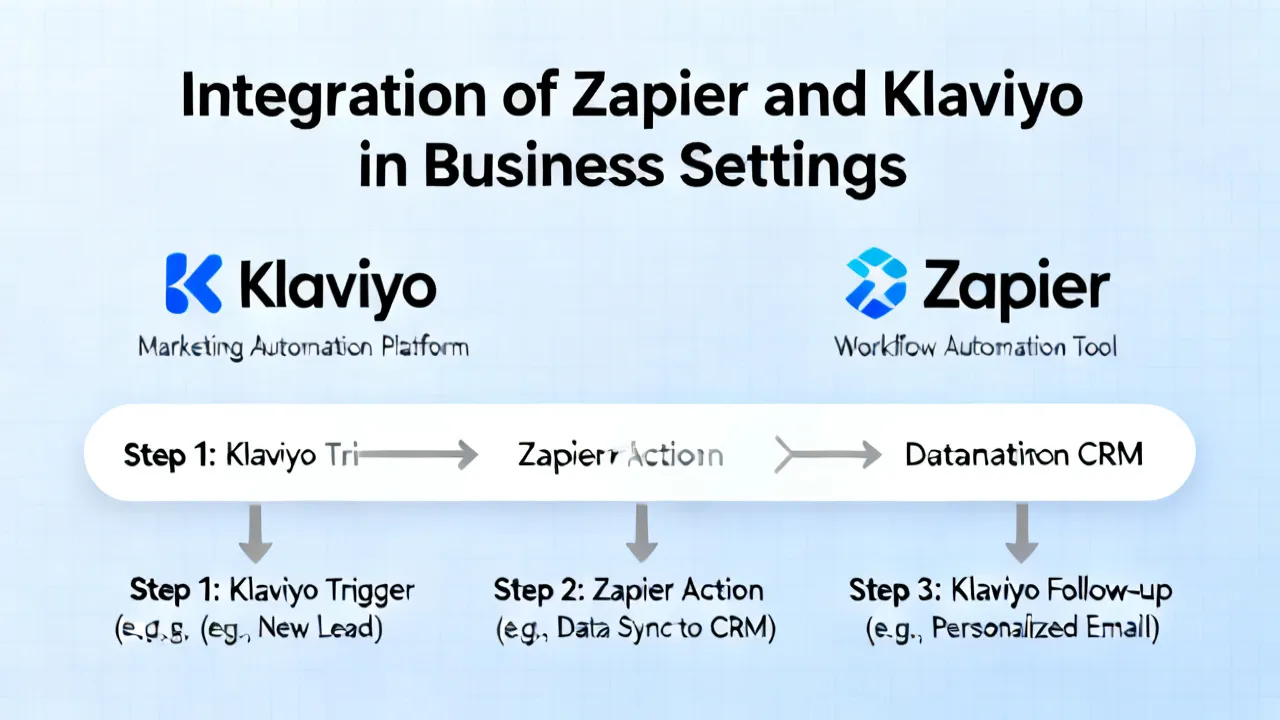
Enhancing Workflow with Zapier and Klaviyo
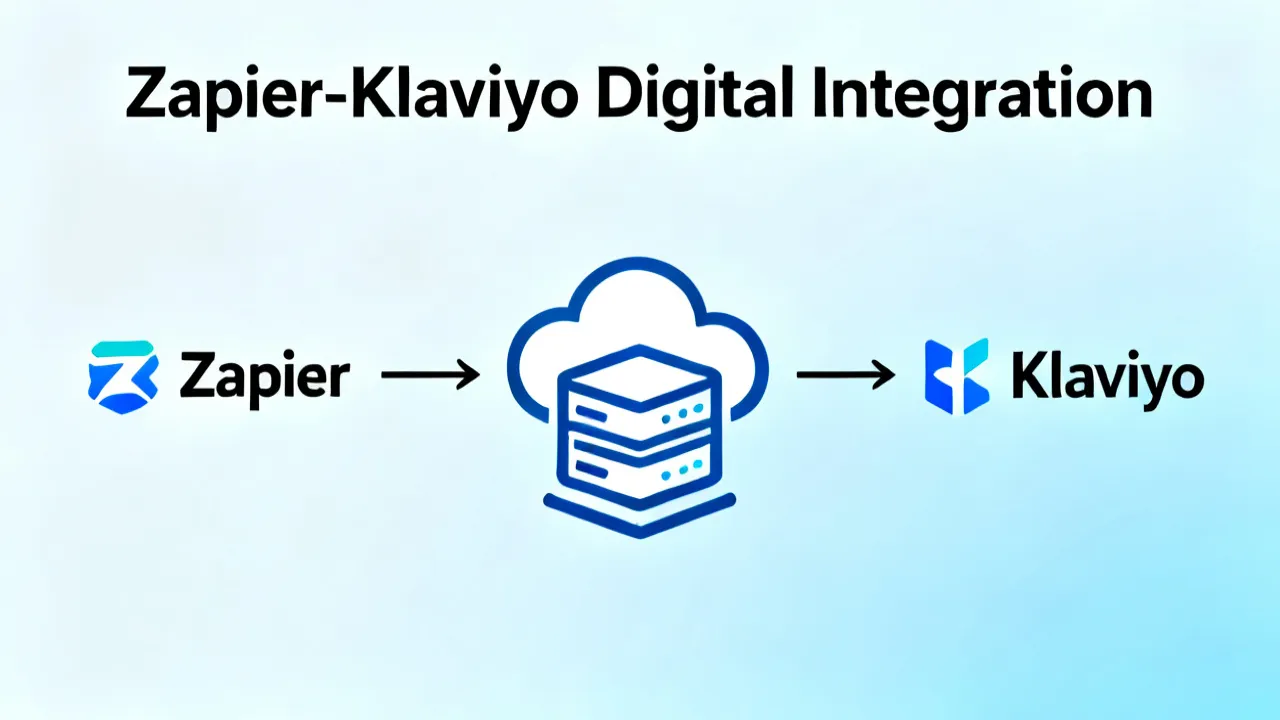
This article examines the integration of Zapier and Klaviyo, providing insights into how these tools streamline workflow automation. Zapier is renowned for connecting various web applications, automating tasks effortlessly. Klaviyo, on the other hand, is a powerful marketing automation platform, specializing in email and SMS marketing. Together, these tools can significantly optimize business processes and efficiency.
Introduction to Workflow Automation
In the ever-evolving landscape of digital business, workflow automation has become a critical component for efficiency and productivity. Two pivotal platforms in this realm are Zapier and Klaviyo. By understanding how these tools function independently and synergistically, businesses can streamline operations, reduce manual labor, and significantly enhance their marketing prowess. The integration of automation not only saves time but also allows for scalability and flexibility in business operations. As more organizations adopt digital marketing strategies, understanding the intersections between these tools is paramount for harnessing their full capabilities.
Understanding Zapier
Zapier is a web-based service designed to help users create automated workflows through a simple “if this, then that” (IFTTT) format, connecting a myriad of web applications. It empowers users by automating repetitive tasks, thus sparing valuable time and minimizing the potential for human error. Zapier supports over 3,000 apps, ranging from business productivity tools like Trello and Slack to email services like Gmail. The flexibility provided by Zapier in automating workflows enables users to connect disparate systems, facilitating improved data sharing and operational effectiveness.
Moreover, Zapier utilizes a simple trigger-action setup where users can define a trigger event in one app that leads to a defined action in another app. This system is not only user-friendly but also highly customizable, allowing businesses to design workflows that meet their specific needs. For instance, a business could set up a Zap that sends a Slack message every time a new lead is added in their customer relationship management (CRM) software. The possibilities for creating automated workflows are virtually endless, encouraging continuous improvements in workflow efficiency.
The Power of Klaviyo
Klaviyo, in contrast, is a leader in the realm of email and SMS marketing automation. It is engineered to enhance customer engagement through personalized messaging and responsive campaigns. Leveraging data to tailor customer experiences, Klaviyo helps businesses drive sales and deepen relationships with audiences through advanced segmentation and analytics tools. Unlike traditional email marketing platforms that focus solely on sending bulk emails, Klaviyo takes a more sophisticated approach by integrating seamlessly with e-commerce platforms to gather extensive customer data for insightful analysis.
This robust data collection capability enables businesses to craft hyper-targeted campaigns that resonate with their audience. For example, Klaviyo allows brands to segment their users based on behaviors, such as past purchases or website browsing activity, allowing marketers to send tailored emails that speak to individual customer interests. This personalized approach to marketing not only leads to higher engagement rates but also fosters brand loyalty and encourages customer retention in an era where consumers are overwhelmed with generic promotional messages.
Why Integrate Zapier and Klaviyo?
Integrating Zapier and Klaviyo creates a formidable force in automating marketing workflows. Businesses can use Zapier to seamlessly connect Klaviyo with other applications, thus enabling smooth data transition and coordinated marketing efforts. This integration is pivotal for operations demanding consistent communication strategies across multiple platforms. For instance, integrating customer feedback collected through forms, surveys, or social media mentions with Klaviyo can enhance messaging strategies by enabling real-time responses and personalized outreach.
An example of this could be an e-commerce store that uses Zapier to pull customer feedback from a survey tool into Klaviyo. If a customer reports a positive experience, Zapier can trigger an automated email thanking the customer and inviting them to leave a review on social media. Conversely, if feedback indicates an issue, businesses can set up another workflow that ensures prompt responses from customer service teams. This holistic approach to customer engagement not only enhances the overall experience but also strengthens brand integrity and trust.
Case Study: Streamlining Email Campaigns
A retail business aiming to enhance customer retention can benefit significantly from this integration. By using Zapier to pull customer purchase data from an e-commerce platform into Klaviyo, personalized email campaigns can be triggered automatically, promoting customer engagement and driving repeat sales. For instance, if a customer buys a product, Zapier can automatically add their information to a specific Klaviyo list that categorizes them based on recent purchases, allowing the business to follow up with targeted campaigns such as "Thank you for your purchase!" or "Here are accessories you might like!"
Moreover, seasonal promotions can be made far more effective through automation. Using triggers based on customer behavior or dates, businesses can schedule and send relevant marketing emails without the need for manual input. This is particularly crucial during busy seasons like the holidays when timely communication can significantly impact sales outcomes.
Extending beyond email marketing, businesses can also utilize SMS campaigns through Klaviyo, further amplifying engagement options. Automated SMS alerts about new arrivals, flash sales, or birthday discounts can be sent using data-managed campaigns driven by workflows established in Zapier. This multi-channel approach ensures that brands are present wherever their customers are, optimizing the chances for conversions.
Implementing the Integration
Implementing a Zapier-Klaviyo integration involves straightforward steps. First, identify the processes you want to automate. These may include synchronizing customer data or automating response emails post-purchase. Identifying repetitive tasks that can be automated is key to maximizing the benefits provided by both tools.
Second, configure a Zap in Zapier that pulls the necessary data and embeds it into your Klaviyo campaign. This typically involves selecting a trigger app, defining the event that initiates the action (e.g., a new sale on your e-commerce platform), and then choosing the action app (Klaviyo) along with the specific action (e.g., adding a subscriber to a list). The interface is user-friendly, with step-by-step instructions to guide you through the set-up process.
Lastly, monitor these automated workflows regularly to ensure they align with your evolving business goals. Continuously reviewing the effectiveness of these automations can help businesses refine their approaches and adapt to market changes. Analytics and reporting tools available within both Zapier and Klaviyo provide insight into how well campaigns are performing, enabling further optimization of workflows.
| Feature | Zapier | Klaviyo |
|---|---|---|
| Key Function | Workflow automation between apps | Personalized email and SMS marketing |
| App Connections | 3,000+ apps | Primarily e-commerce and marketing tools |
| User Interface | Simple drag-and-drop | Data-driven, intuitive campaigns |
| Automation Scope | Multi-app automation | Focused on e-commerce marketing |
| Real-time Triggers | Yes | Yes |
| Analytics Capability | Basic reporting | Advanced insights and analytics |
Best Practices for Using Zapier and Klaviyo Together
To maximize the effectiveness of the Zapier and Klaviyo integration, several best practices should be adhered to:
- Define Clear Goals: Before initiating your integration, clearly define what you wish to achieve, whether it be improved customer retention, increased conversion rates, or enhanced engagement through personalized marketing efforts.
- Start Small: When first implementing Zapier and Klaviyo, it's wise to start with a few key workflows. Once you refine these processes, you can scale up your operations and create more complex automations.
- Leverage Segmentation: Utilize Klaviyo’s advanced segmentation features to create targeted campaigns. The more accurately you can segment your audience based on behavior and preferences, the more effective your marketing efforts will be.
- Regular Evaluations: Consistently evaluate the integration for its efficiency and effectiveness. Look for any bottlenecks in the automated workflows and tweak them accordingly to ensure everything flows smoothly.
- Continuous Learning: Stay updated with both platforms. Zapier frequently rolls out new apps and features, while Klaviyo also improves its services. By staying informed, you can leverage the latest tools in your marketing strategy.
Challenges and Considerations
While the integration of Zapier and Klaviyo can yield many benefits, certain challenges may arise that businesses need to be aware of. For instance, data quality is vital when automating workflows. If there are errors in customer data, it can lead to miscommunication or ineffective marketing efforts. Businesses should implement checks to ensure that the data pulled into Klaviyo from other platforms is accurate and up-to-date.
Additionally, the learning curve associated with setting up complex workflows can pose a challenge for some users. Both platforms offer extensive resources, including tutorials and customer support, which can help mitigate these issues. Investing time to learn and experiment with the tools will pay off in the long run, with a more streamlined and efficient operation as a result.
Another consideration is compliance with regulations such as GDPR or CAN-SPAM when sending automated emails or SMS. Businesses must ensure that they are adhering to these regulations, as failing to do so can result in penalties and significant damage to reputation. Implementing opt-in forms and respecting customer privacy preferences are critical steps that should be embedded within any automated marketing strategy.
Real-Life Examples of Successful Integration
Real-life examples of businesses successfully integrating Zapier and Klaviyo demonstrate the tools' powerful capabilities. One illustrative case is a fashion retailer that utilized the integration to enhance its post-purchase communication strategy. By connecting its e-commerce platform with Klaviyo through Zapier, the retailer was able to automatically send personalized recommendations to customers who had just made a purchase, encouraging them to buy complementary items while their initial purchase was still fresh in their mind.
This strategy not only increased average order value but also reduced customer churn, as clients received tailored messages that acknowledged their previous purchases. By automating these processes, the company succeeded in saving significant time while effectively maintaining communication with their customers.
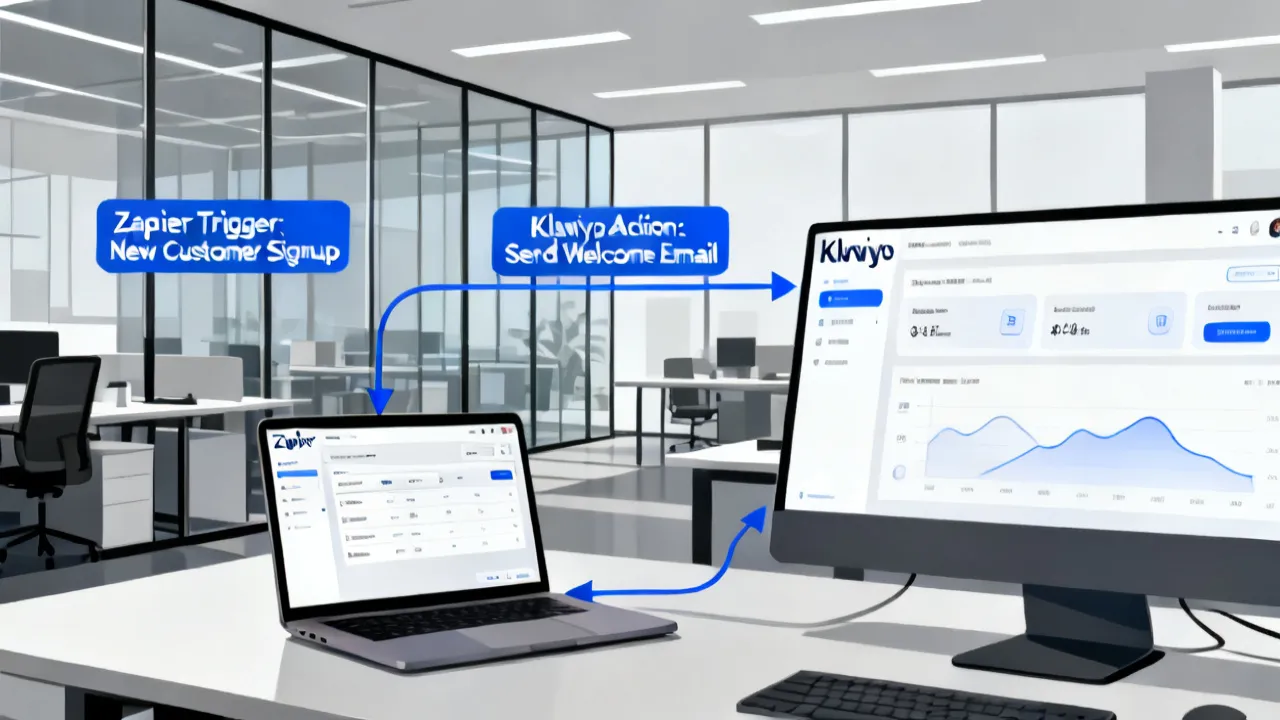
Another example can be seen in the SaaS industry, where a company used Zapier to automate its onboarding process for new customers. Whenever a new subscriber signed up, Zapier captured the data and sent an automatic welcome email through Klaviyo, complete with links to helpful resources and product tutorials. This streamlined onboarding process enhanced the customer experience, ensured users felt valued right from the beginning, and significantly improved customer retention rates in the long run.
FAQs
- What is the primary benefit of using Zapier?
Zapier's primary benefit is its ability to connect multiple web apps to automate repetitive tasks, increasing efficiency. This not only saves time but also allows for consistency in operations across different platforms. - How does Klaviyo enhance email marketing?
Klaviyo enhances email marketing through data-driven insights and segmentation, ensuring personalized and effective audience engagement. Its capabilities allow businesses to design campaigns tailored to individual customer preferences based on actionable data. - Can small businesses benefit from these integrations?
Absolutely. Automation allows small businesses to compete on a larger scale by optimizing resources and maximizing outreach without additional manpower. This leveling of the playing field is especially crucial in today's competitive market. - How can customer feedback be utilized in marketing strategies?
Customer feedback can be harnessed through automated workflows to improve marketing strategies. For instance, positive feedback can trigger thank-you emails with discounts for future purchases, while negative feedback can prompt outreach from customer service for resolution. - Are there any privacy concerns when using these tools?
Yes, compliance with data privacy laws such as GDPR or CCPA is essential. Businesses must ensure that any customer data used in campaigns is collected ethically and that appropriate consent is obtained for marketing communications.
Conclusion: Maximizing Automation Potential
In summary, integrating Zapier with Klaviyo empowers businesses by uniting automation capabilities with insightful marketing strategies. As digital landscapes become more complex, harnessing these tools effectively can help organizations stay competitive, responsive, and innovative. By automating routine tasks, generating personalized content, and utilizing data analytics, companies not only improve operational efficiencies but also elevate the overall customer experience. Going forward, the need for agility and adaptability in marketing will only grow, making the mastery of workflow automation tools like Zapier and Klaviyo invaluable for any business eager to thrive in the digital age.