Unleashing Automation with Zapier and Klaviyo
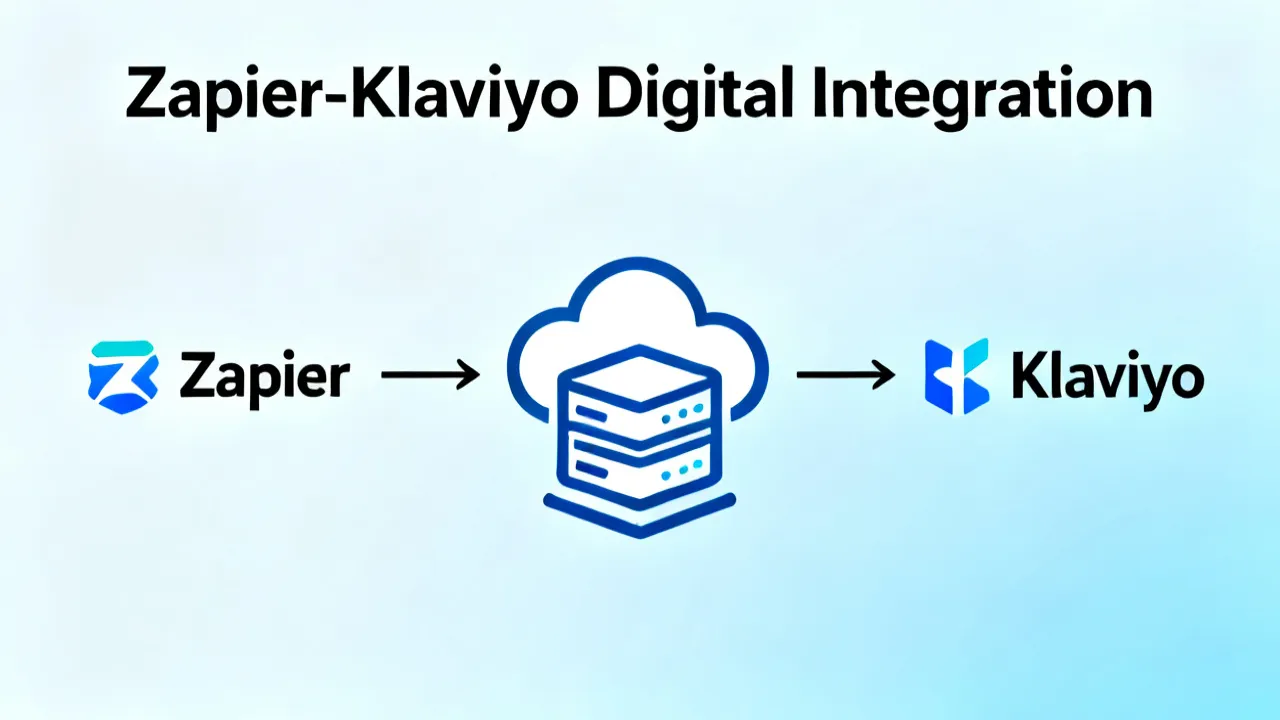
Delve into the world of Zapier and Klaviyo, two powerful tools reshaping the landscape of business automation. Known for their capacity to streamline workflows and enhance marketing efforts, these platforms are pivotal in modern digital strategies. This guide explores their capabilities, advantages, and how they synergize to optimize business processes seamlessly.
Introduction to Automation Tools
In the contemporary business landscape, automation is more than a buzzword—it's a necessity. Integrating technology to streamline various operations not only boosts efficiency but also enables businesses to stay competitive. Among the plethora of tools available, Zapier and Klaviyo stand out for their robust functionalities in business automation. These platforms are designed to cater to different aspects of business needs, from day-to-day operations to targeted marketing efforts, and understanding their capabilities can significantly enhance a company's productivity and consumer engagement strategies.
Understanding Zapier's Role
Zapier is quintessential for businesses looking to automate repetitive tasks without the need for complex code. It functions by connecting different apps, or 'Zaps,' allowing data to flow seamlessly between platforms. This capability enables users to create workflows that can execute automatically in response to set triggers. For instance, a user can set a trigger to automatically save email attachments from Gmail to Google Drive, or to send new leads from a web form directly into a CRM system like Salesforce. The ease of use and integration capabilities of Zapier make it a favorite for both small startups and large enterprises, facilitating a more efficient workflow that reduces manual data entry and potential errors.
Diving into Klaviyo's Capabilities
On the other hand, Klaviyo specializes in email marketing, offering businesses an advanced platform to manage and enhance their customer communication strategies. It excels in personalization and segmentation, allowing for highly targeted and effective marketing campaigns. By leveraging customer data, Klaviyo empowers businesses to nurture relationships and drive sales through personalized outreach. The platform provides tools for performance tracking, enabling users to analyze the effectiveness of their campaigns in real-time. Whether it's an automated welcome email series for new subscribers or targeted promotions based on shopping behaviors, Klaviyo’s sophisticated algorithms enable marketers to harness data analytics effectively, ensuring they connect with customers at the right time with the right message.
Complementary Strengths of Zapier and Klaviyo
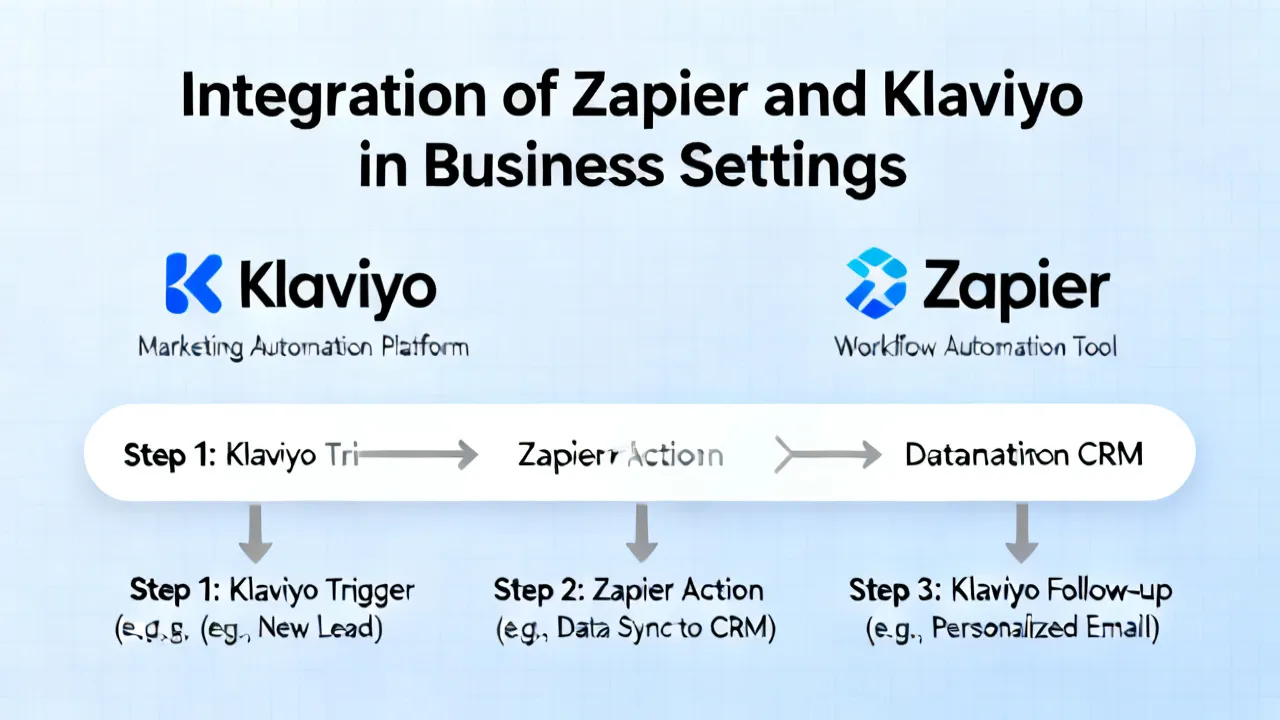
When combined, Zapier and Klaviyo form a formidable pair. Zapier's integration capabilities enable Klaviyo to synchronize with numerous platforms, extending its marketing prowess beyond traditional boundaries. For instance, by automating customer data updates between your CRM and Klaviyo, you can ensure your marketing campaigns are always based on the latest information. This means that whenever a new lead is generated or an existing customer's information is updated in your CRM, that data can be instantly reflected in Klaviyo, allowing you to maintain accurate targeting and segmentation. Moreover, this integration minimizes the risk of manual errors and the time spent on routine data management tasks, allowing marketing teams to focus their efforts on campaign creativity and strategy.
How to Integrate Zapier with Klaviyo
Step-by-step Guide:
- Set Up Zapier Account: Begin by logging into Zapier and locating Klaviyo among the available applications. If you do not have a Zapier account, you can easily sign up for one through their website.
- Create a New Zap: Click on 'Make a Zap' to start the process. This action will guide you through the creation of a workflow.
- Define a Trigger: Choose the event in one app that will trigger a new action in Klaviyo. This could be a new subscriber in a mailing list, a purchase in an e-commerce store, or a form submission on your website.
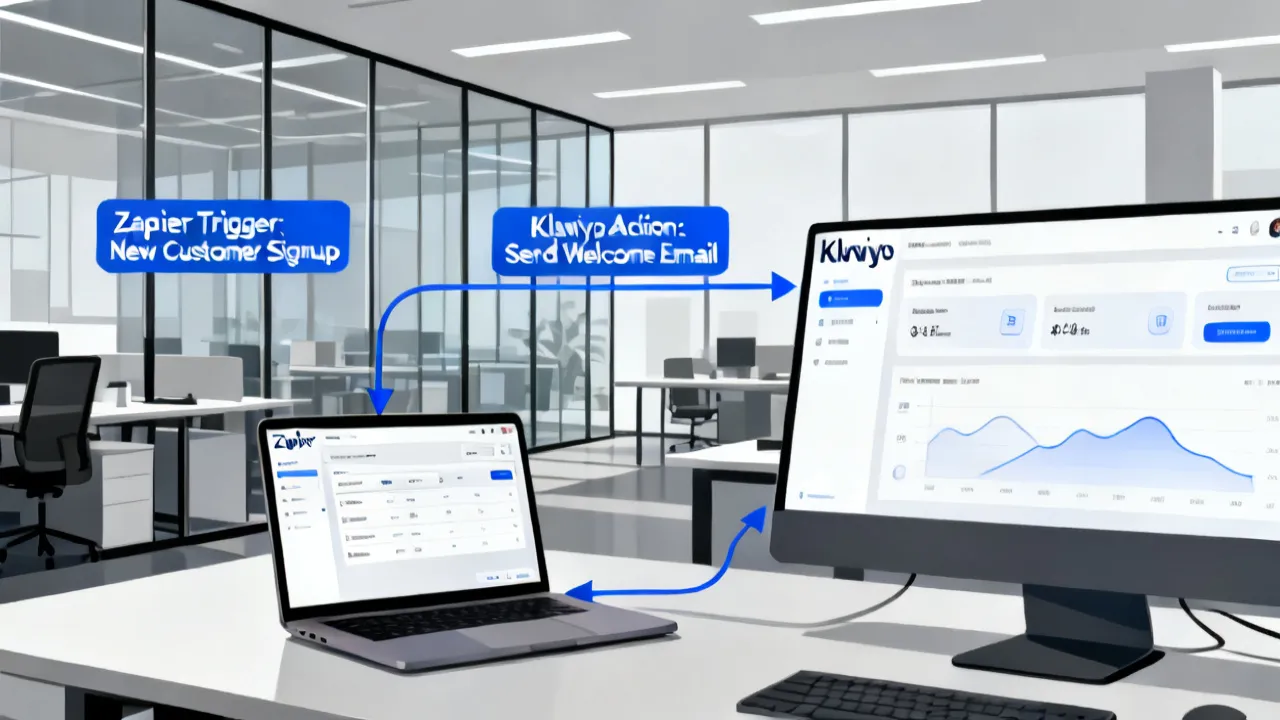
- Select an Action: Define the response you want in Klaviyo when the trigger event occurs. For instance, you might want to add the new subscriber to a specific email list, send a welcome email, or update customer details.
- Test the Zap: Before finalizing, test the Zap to ensure it operates as expected. This is a critical step, as it allows you to validate the functionality of your integration.
- Activate the Zap: Once validated, activate the Zap to start automating the process. You can now monitor the automation to ensure it continues to perform seamlessly.
Use Cases and Benefits
The collaboration between Zapier and Klaviyo serves various applications across industries. In retail, automated customer engagement flows can lead to higher conversion rates and improved customer retention. For example, a retail brand can set up automation that sends personalized product recommendations to customers based on their purchase history or browsing behavior. This not only enhances the customer experience but also increases the chances of repeat sales.
Similarly, for service-oriented businesses, personalized communication ensures customer satisfaction and loyalty. For instance, a consultancy can automate follow-up emails that provide clients with summaries of their recent meetings, links to resources mentioned during the discussion, and invites to book their next appointment, all of which can be triggered based on meeting outcomes captured in a scheduling tool.
Further enhancing the value of this integration, businesses can utilize real-time data synced through Zapier to measure customer engagement and campaign effectiveness in Klaviyo. For instance, if a specific promotional email leads to a spike in website traffic, Zapier can trigger additional follow-up emails or updates to customer segments based on that activity, optimizing both engagement and conversion strategies. Overall, the flexible nature of these tools allows businesses to adapt their strategies quickly in response to changing consumer behaviors or market conditions.
FAQs
- What is the primary advantage of using Zapier with Klaviyo?
The primary advantage is the seamless integration that allows for automatic data transfer and real-time updates between platforms, enhancing the efficacy of marketing campaigns. This integration not only saves time but also ensures that marketing strategies are based on the latest customer data, increasing overall effectiveness.
- Is coding knowledge required to use Zapier and Klaviyo together?
No, both platforms are designed with user-friendliness in mind, allowing users to set up automations without coding experience. This accessibility broadens the scope for any business to leverage advanced automation without requiring technical resources.
- Can Zapier connect more apps besides Klaviyo?
Yes, Zapier supports integrations with thousands of applications, allowing for versatile and comprehensive workflow automations. This capability means businesses can create complex multifaceted workflows that intersect several tools critical for their operations, all managed through one intuitive interface.
Real-World Applications of Zapier and Klaviyo Integration
Various businesses across different industries are leveraging the combo of Zapier and Klaviyo to streamline their operations, enhance customer engagement, and incrementally drive sales. Here are some detailed real-world examples:
E-commerce Success Story
A small online clothing retailer utilized Zapier and Klaviyo to dramatically enhance their customer communication strategies. They connected their Shopify store with Klaviyo using Zapier to automate updates about shipping notifications, abandoned cart emails, and product launches. When a potential customer added items to their cart but did not complete the purchase, Zapier triggered a personalized reminder email via Klaviyo that included images of the items and a special discount code. This targeted approach led to a significant increase in cart recovery and customer satisfaction levels, as recipients appreciated the personalized touch.
Real Estate Refined
A real estate agency integrated Zapier with Klaviyo to manage their lead generation process more effectively. Each time a new inquiry came through their website, a Zap was set to capture the lead information into Klaviyo where an automated welcome series was launched, providing essential information about the home buying process. This automation freed up agents' time from manually sending introductory emails and allowed them to focus on nurturing leads that were already engaged. The agency reported a 45% increase in engagement with their email content, thanks to timely and relevant automation.
Non-profit Engagement
A non-profit organization utilized the integration to manage their donor communication more effectively. They used Zapier to integrate their donation platform with Klaviyo for automatic updates when donations were received. Each donor would receive a personalized thank-you email automatically along with updates on how their contributions were impacting the community. This not only strengthened donor relationships but increased the likelihood of repeat donations. The organization found that the personalized touch fostered a stronger sense of community among their supporters.
Future Trends in Automation
As automation tools like Zapier and Klaviyo continue to evolve, trends indicate an increasing integration of artificial intelligence (AI) and machine learning. Enhanced AI functionalities could allow these platforms to not just automate repetitive tasks, but also analyze data trends to predict the best times to engage customers, the type of content that resonates most, and even suggest new products based on emerging customer behaviors. Such advancements could make it easier for businesses to tailor their outreach strategy with an unprecedented level of customization.
Another trend that is gaining traction is the rise of no-code and low-code platforms. These tools enable individuals with little to no technical background to create applications and workflows, effectively democratizing technology and allowing a wider audience to leverage automation in their businesses. As companies increasingly adopt these solutions, we can expect significant growth in creative workflow automations that capture both complex and nuanced business needs.
Conclusion
The synergy between Zapier and Klaviyo highlights the potential of strategic automation in modern business operations. By leveraging these tools, companies can not only enhance their efficiency but also deliver meaningful and personalized experiences to their customers. This integration opens the door for businesses to execute operations smoothly whilst maintaining a robust customer engagement pipeline through finely tailored messaging driven by up-to-date data. As businesses increasingly lean on technology to drive growth, understanding and implementing such integrations becomes a crucial component of success.
Ultimately, organizations that adeptly utilize automation tools like Zapier and Klaviyo are positioned not only to thrive in the competitive marketplace but also to foster lasting relationships with their customers through enhanced communication, responsiveness, and personalization.