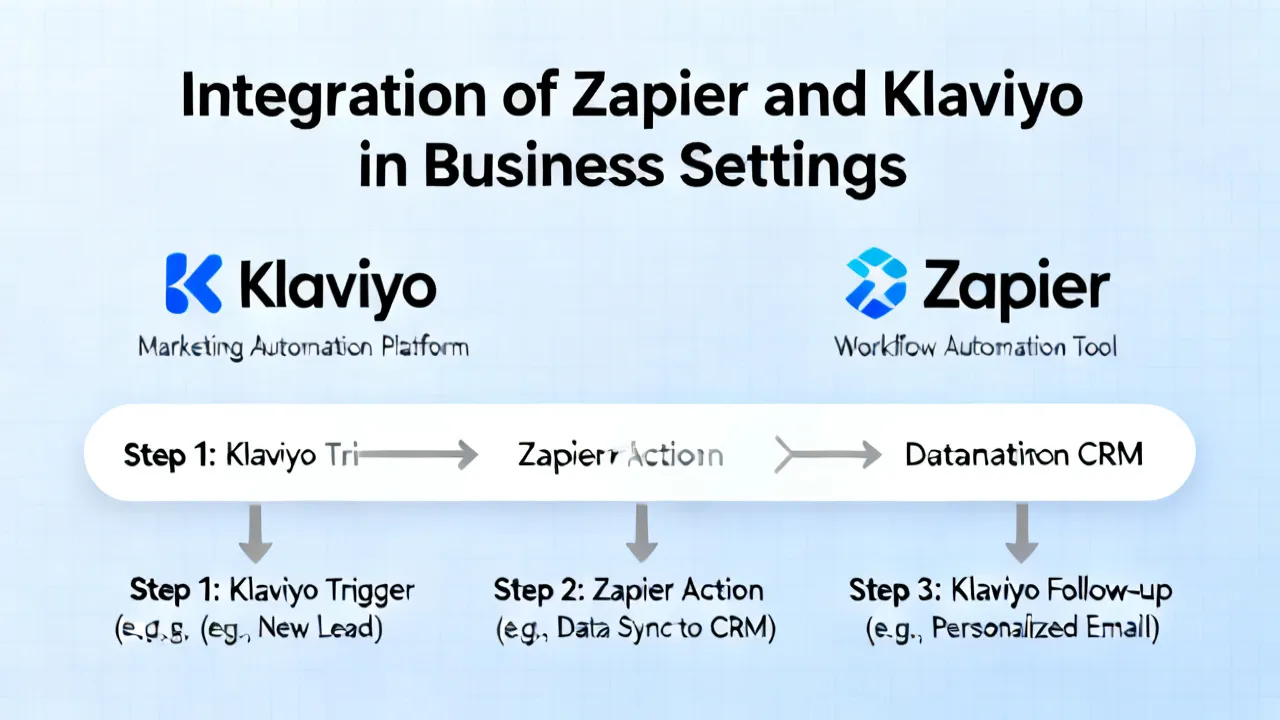
Streamlining Marketing with Zapier and Klaviyo
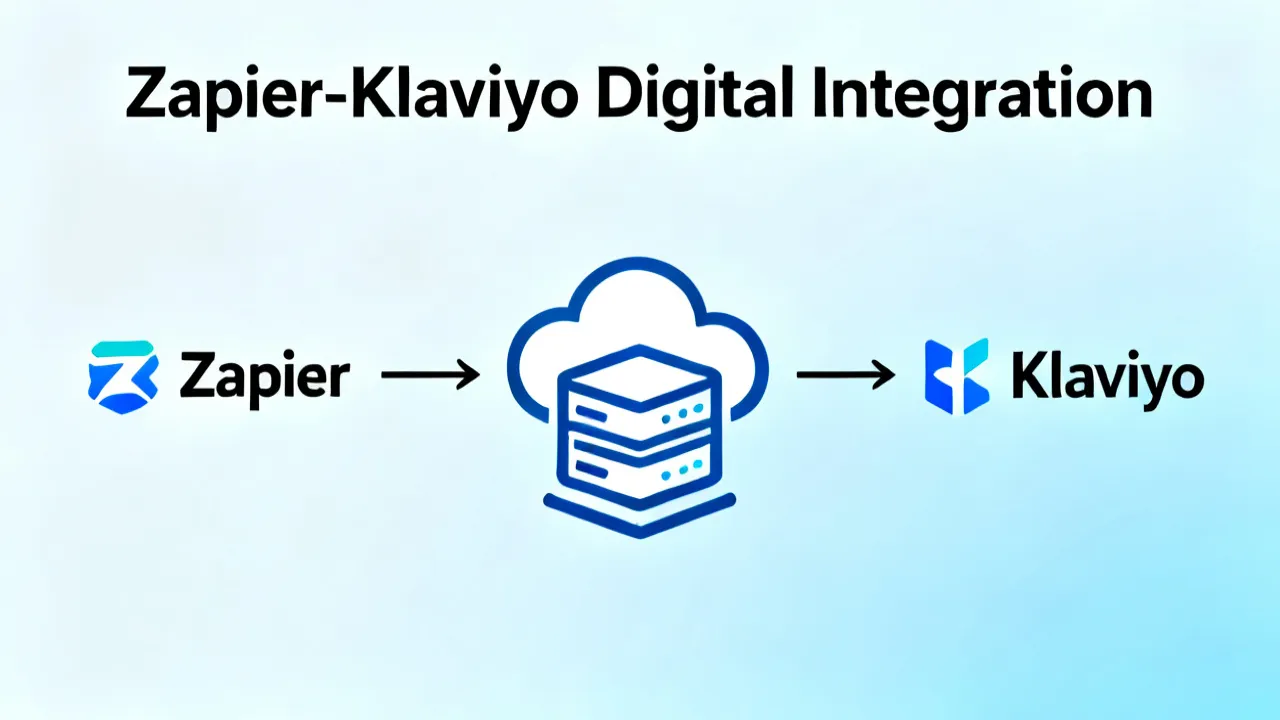
This guide explores how Zapier and Klaviyo can transform your marketing efforts. Klaviyo excels in data-driven email marketing, while Zapier automates workflows across platforms. These tools integrate to optimize efficiency and effectiveness in campaigns. The article dissects their functionalities, benefits, and application, offering insights and comparative analyses for industry professionals.
Introduction to Marketing Automation
The digital marketing landscape is being revolutionized by automation tools that streamline processes and enhance efficiency. Among these tools, Zapier and Klaviyo are key players, each offering unique functionalities designed to boost productivity and effectiveness in marketing campaigns. By integrating these tools, businesses can create seamless workflows that not only save time but also enhance user engagement and conversion rates. In an era where consumer attention is fleeting, automated marketing solutions are becoming imperative for businesses striving to stay competitive and responsive to market trends.
Understanding Zapier and Klaviyo
Zapier is a powerful automation tool that connects various apps, enabling users to automate repetitive tasks without the need for coding. Its ease of use and extensive app integrations make it a preferred choice for businesses aiming to improve operational efficiency. Through an intuitive “if this, then that” logic, Zapier allows users to set up workflows that automatically execute a series of actions when defined triggers occur. This functionality can help in various domains, from sales and customer service to project management.
Klaviyo, on the other hand, excels in email marketing, utilizing data-driven strategies to craft personalized content that resonates with audiences. With its robust analytics and segmentation capabilities, Klaviyo empowers marketers to hone their strategies and achieve better results. For example, Klaviyo can help businesses track user behavior on their eCommerce sites, leading to insightful data that can inform targeted marketing campaigns. This degree of customization ensures that each recipient feels valued and recognized based on their unique journey with the brand.
The Power of Integration
The integration of Zapier and Klaviyo can profoundly enhance marketing operations. By connecting Klaviyo to other apps via Zapier, businesses can automate tasks such as syncing customer information, updating email lists, and triggering email campaigns based on user behavior. This level of automation not only reduces manual workload but also ensures that marketing efforts are both timely and targeted. With real-time data flowing seamlessly between platforms, marketers can react instantly to audience needs, leading to higher engagement and retention rates.
| Feature | Zapier | Klaviyo |
|---|---|---|
| Primary Function | Automates tasks across apps | Data-driven email marketing |
| Ease of Use | High, with no coding required | Moderate, with powerful analytics tools |
| Integration Capability | Thousands of apps | Focused on eCommerce and social media |
| Top for | Workflow automation | Customer engagement through email |
| Data Handling | Real-time triggers from multiple sources | Deep analytics and customer segmentation |
| Key Audience | Small to large businesses looking for automation | Online retailers and marketers focused on data-driven campaigns |
| Support & Resources | Extensive tutorials and community support | In-depth guides and case studies for optimization |
Implementing Zapier and Klaviyo
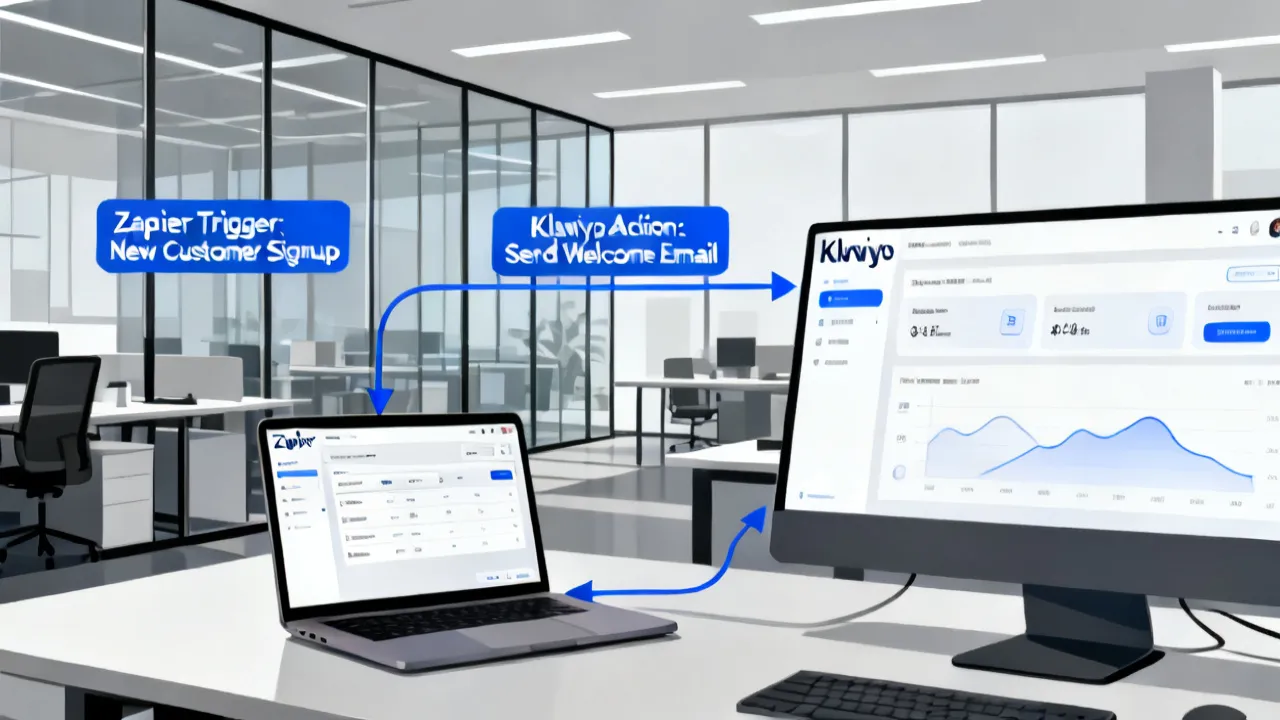
Implementing these tools requires a strategic approach. Begin by mapping your current processes to identify opportunities for automation. Utilize Zapier to create workflows (known as “Zaps”) that address these opportunities. For example, automatically adding new leads from a CRM to a Klaviyo email list when a specific trigger, such as a form submission, occurs. Identify the key touchpoints in your customer journey where automation can add value, such as welcome emails for new subscribers or follow-up messages for leads that have shown interest but haven’t converted.
Meanwhile, leverage Klaviyo's email capabilities to craft personalized campaigns based on behavioral insights provided by the integration with Zapier. Tailoring your communications not only improves open rates but also fosters a sense of connection with your audience. By effectively utilizing segmentation features within Klaviyo, businesses can ensure their messages are relevant and compelling to the recipients.
Step-by-Step Guide to Integration:
- Identify key applications and data endpoints in your marketing process.
- Set up a Zapier account and connect it to your relevant apps, such as CRM systems, eCommerce platforms, and lead capturing tools.
- Create Zaps that transform manual tasks into automated workflows, enabling processes like lead nurturing and customer re-engagement.
- Integrate Klaviyo with these workflows to leverage data for better-targeted emails, ensuring that messaging aligns with customer behaviors and preferences.
- Continuously monitor and optimize your campaigns using insights generated through Klaviyo's analytics. Assess metrics such as open rates, click-through rates (CTR), and conversions to determine the success of your automated workflows.
- Solicit customer feedback to refine your communication strategies, ensuring that audiences feel heard and valued.
Common Use-Cases of Zapier and Klaviyo Integration
Utilizing Zapier and Klaviyo together opens the door to countless possibilities for automating marketing functions. Below are some of the most common use-cases that businesses can implement to enhance their marketing efforts:
- Abandoned Cart Recovery: Automatically trigger a follow-up email through Klaviyo to customers who have added items to their cart but haven’t completed the purchase. This automated reminder can significantly increase conversions and recover lost sales.
- Lead Enrichment: Use Zapier to pull information from multiple sources, such as LinkedIn, and enrich customer profiles in Klaviyo. This comprehensive view of leads allows for more targeted messaging and informed marketing strategies.
- Event Registration Follow-Ups: After collecting registrations through platforms like Eventbrite, create a Zap to send a confirmation email via Klaviyo. This ensures attendees receive timely information about the event and encourages them to engage with future communications.
- Feedback Automation: Collect customer feedback through surveys or forms integrated with Zapier. Send responses directly to Klaviyo for analysis and use the data to segment your audience for tailored email campaigns.
- Social Media Engagement: Trigger email campaigns based on social media interactions. For instance, if a customer shares or comments on a post, Zapier can create a new contact in Klaviyo and send a promotional email to thank them for their engagement.
Measuring the Success of Your Automation
The success of marketing automation with Zapier and Klaviyo hinges on effectively measuring its impact on your campaigns. Key performance indicators (KPIs) can guide you in assessing effectiveness and pinpointing areas for improvement.
Email Engagement Metrics: Track open rates, click-through rates, and conversion rates. High open rates can indicate effective subject lines and timing, while click-through rates reveal how relevant your email content is to your audience.
Return on Investment (ROI): Evaluate how automated workflows contribute to revenue generation. Compare sales figures before and after the implementation of these tools to quantify benefits.
Customer Lifetime Value (CLV): Analyze if increased engagement and customer retention are positively impacting CLV. Satisfied customers are more likely to make repeat purchases, thus increasing overall profitability.
Lead Conversion Rates: Monitor the percentage of leads converted into customers as a result of automated email nurturing sequences. This KPI helps assess whether automation supports creating effective communications that resonate with leads.
Challenges and Solutions in Using Zapier and Klaviyo
Despite the various advantages of integrating Zapier and Klaviyo, businesses may encounter challenges implementing and maintaining automated processes. Recognizing these barriers can help marketers develop strategies to overcome them:
1. Technical Glitches: Occasionally, integration issues may arise, leading to data discrepancies or missed triggers. To combat this, regularly audit the Zaps to ensure they function correctly and address any failures promptly.
2. Information Overload: Automating many processes may lead to an influx of data that can overwhelm users. Periodically assess the efficiency of your Zaps and adjust accordingly to ensure sensible data flow without causing analysis paralysis.
3. Customer Data Privacy Concerns: With an increasing emphasis on data privacy, businesses must ensure they comply with regulations like GDPR when using customer data for marketing. It's crucial to be transparent with users regarding how their data will be used and to acquire necessary permissions for communications.
4. Maintaining Quality Communication: While automation enhances efficiency, it can sometimes lead to a robotic feel in communications. Strive to maintain a human touch in your emails by using personalization tokens and ensuring messaging aligns with the brand’s voice. Regularly reviewing segmented lists ensures content remains relevant and tailored.
FAQs
Q: How does using Zapier enhance Klaviyo's capabilities?
A: Using Zapier with Klaviyo eliminates the inefficiencies of manual data entry and allows for timely triggers tied to user actions, enhancing the personalization and efficacy of email campaigns. It significantly reduces the effort spent managing data flows and allows marketers to focus on creative and strategic initiatives.
Q: Do businesses need technical expertise to set up these integrations?
A: No. Both Zapier and Klaviyo are designed for ease of use, and their interfaces guide users through setting up integrations without needing advanced technical skills. Moreover, there are extensive tutorials and community forums available to help users navigate the setup process.
Q: What are some common use-cases of this integration?
A: Common use-cases include syncing customer data between a CRM and Klaviyo, automating abandoned cart emails, and segmenting customer lists based on behaviors tracked across different platforms. These practices allow businesses to operate more efficiently while maximizing their marketing outreach.
Conclusion
In the fast-paced realm of digital marketing, leveraging the synergy between Zapier and Klaviyo can significantly enhance operational efficiency and the effectiveness of marketing strategies. By automating backend processes and optimizing email marketing efforts, businesses can not only save time but also engage their audiences more effectively, leading to improved customer relationships and increased revenue. In an age where personalization and speed are critical, the integration of these powerful tools can pave the way for innovative marketing solutions that resonate with consumers.
As the digital landscape continues to evolve, businesses that invest in these automated solutions will likely find themselves better equipped to adapt to shifts in consumer demands. Not only does automation alleviate the burden of day-to-day tasks, but it also empowers marketers to concentrate on what matters most – understanding their audiences and delivering meaningful, impactful experiences that convert leads into loyal customers. Embracing and expanding the use of Zapier and Klaviyo is a step forward in unlocking the full potential of data-driven marketing.