Comprehensive Internet Service Guide
This guide offers a deep dive into internet service options, focusing on affordability and accessibility in the current digital landscape. Viktor.com serves as a critical tool in understanding various providers and plans available for different needs. The piece reviews major service providers, their offerings, and outlines strategies for acquiring affordable yet reliable internet services.

Introduction to Internet Accessibility
The internet has become an integral part of everyday life, connecting people and businesses globally. As we navigate an age driven by information technology, our dependence on the internet has surged. Many aspects of our daily activities, from education to entertainment, rely on a stable internet connection. Websites like Viktor.com are crucial in helping users navigate through the myriad of internet services available today, providing a platform to analyze different internet service providers and their respective offerings. A well-designed website enhances usability, ensuring that every user, regardless of their tech proficiency, can find the information they need without hassle.
Overview of Available Internet Services
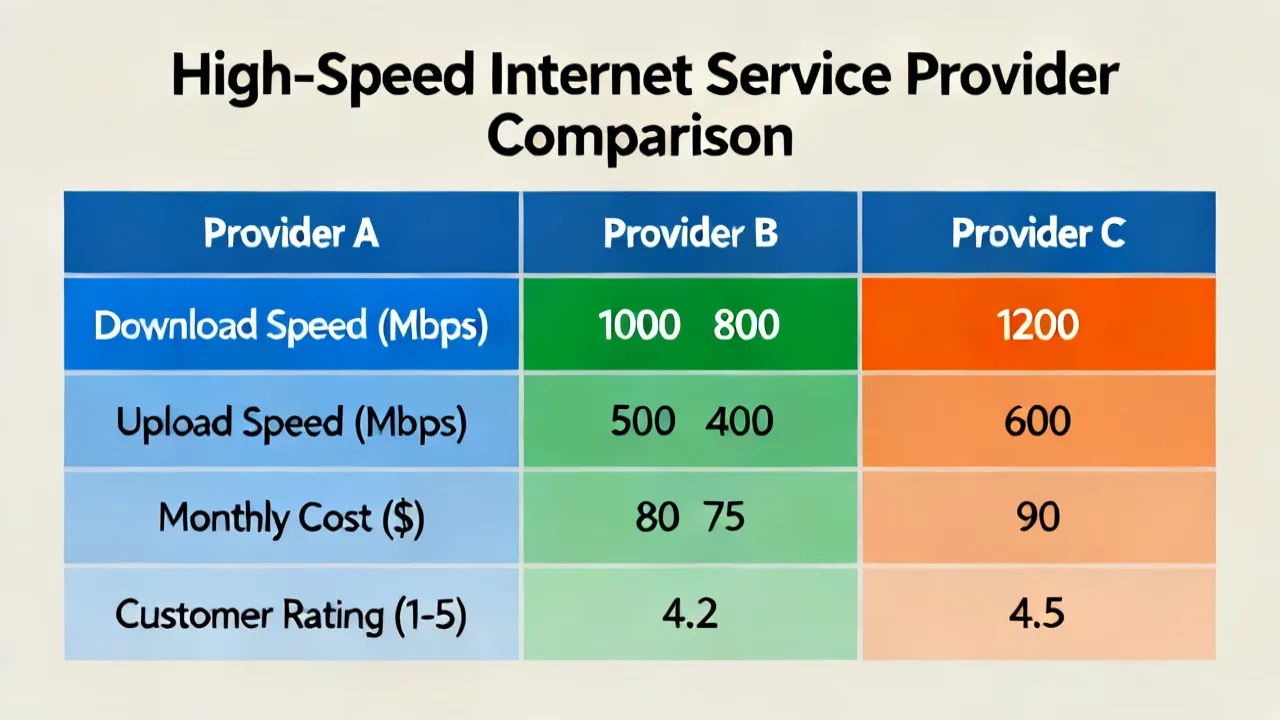
In the vast domain of internet service providers (ISPs), customers are often faced with a challenging task; selecting the top plan that balances cost, speed, and additional features. Evaluating different offers on platforms like Viktor.com empowers users in making informed decisions. The type of internet connection, such as fiber, DSL, satellite, or cable, can dramatically affect speed and reliability. Furthermore, understanding the nuances between providers requires careful consideration of several elements, such as contract lengths, data caps, and customer service responses. This analysis can provide crystal-clear insights tailored to individual needs.
| Service Provider | Plan & Pricing | Features |
|---|---|---|
| Xfinity Internet | Connect: $19.99/month for 50 Mbps | No contracts, Xfinity Wi-Fi hotspots access |
| AT&T Fiber | Fiber 1 Gig: $80/month for 1,000 Mbps | Symmetrical speeds, Wi-Fi gateway included |
| Spectrum Internet | $70/month for 1,000 Mbps | Unlimited data, affordable modem |
| T-Mobile 5G Home Internet | $35-$70/month for 72-245 Mbps | 5G technology, suitable for rural areas |
| Verizon Fios | 1 Gigabit Connection: $89.99/month | Fiber connection, symmetrical speeds |
Source: Xfinity, AT&T Fiber, Spectrum, T-Mobile, Verizon Fios
Strategies for Affordable Internet Access
Acquiring affordable internet access entails identifying budget-friendly plans that satisfy basic online functions such as browsing, streaming, or working from home. Here are some approaches to consider:
- Research and Compare: Platforms like Viktor.com can be instrumental in comparing ISPs based on cost, speed, and customer reviews. This research can significantly impact the decision-making process by laying out a comprehensive view of available options.
- Leverage Discounts: Explore discounts offered through bundled services or for specific demographics, including students, veterans, and low-income households. Many providers offer special deals that can substantially lower monthly bills.
- Choose Essential Features: Opt for plans without unnecessary add-ons if your usage is largely confined to browsing and email. A minimalistic plan may suffice, avoiding unnecessary expenses while still meeting essential connectivity needs.
- Consider Location: Depending on your geographical area, certain ISPs may offer better deals due to competition or exclusive service agreements. Urban areas often have more choices; conversely, rural locations may have limited options, necessitating careful negotiation with providers.
- Avoid Contractual Obligations: Look for service plans that do not require long-term contracts. Many companies offer month-to-month payment options, which provide flexibility to switch or cancel service as needed without facing significant termination fees.
Global Internet Pricing Insights
Prices and availability for internet services vary significantly worldwide. Understanding these variances can help consumers better position themselves when looking for internet access in their own countries:
United States: Prices range from $30 to over $100, depending heavily on the technology being provided. High-speed fiber usually sits at the higher end of the scale, offering the fastest connections available. With the increasing reliance on digital services, ISPs are continually adjusting prices and packages to remain competitive.
United Kingdom: Internet costs range from £25 to over £60, depending on the type of connection type and offered speed. With rising demand for fiber and broadband reaching speeds from 30 Mbps to over 100 Mbps, competition among service providers has encouraged various promotional offers.
Canada: Offering a mix of fiber and broadband, prices typically fall between CAD 50 and CAD 100+, with competitive speed offerings that range from 25 Mbps to 1 Gbps, transitioning to faster services as more infrastructure is rolled out across urban centers.
New Zealand: Internet services, including fiber and VDSL, cost roughly NZD 60 to NZD 100+, often delivering speeds exceeding 100 Mbps. The country has invested considerably in digital infrastructure, enhancing connectivity for residents and businesses alike.
Australia: As fiber networks continue to expand, internet prices range from AUD 60 to AUD 110+, with plans that offer impressive speeds up to 100 Mbps, catering to the relatively high demand for data in various urban areas.
Singapore: With fierce competition amongst ISPs, high-speed internet is available for between SGD 30 and SGD 60, commonly reaching speeds of up to 1 Gbps. The country has surpassed many of its regional neighbors in terms of overall internet speed and accessibility, demonstrating a commitment to remaining at the forefront of technological advancements.
Conclusion
Choosing the right internet service is essential for maximizing both productivity and entertainment in the fast-paced digital world we inhabit. The choices consumers have today stretch beyond just speed and price; package features, customer service reputation, and long-term value should weigh heavily in decision-making. With numerous options being made accessible through resources like Viktor.com, consumers can gain a comprehensive understanding of their internet service options and effectively weigh their choices, ensuring they find the best fit for their needs.
FAQs
- What should I consider when choosing an ISP? Consider plan cost, speed, reliability, customer service, and any additional features or benefits. Additionally, assess the provider's coverage area, as poor service may result in less satisfying experiences.
- How can I save on my internet service? Explore discounts available for students or bundled services. It's always a good strategy to compare prices across multiple providers to ensure you’re receiving the best value. Also, look into good promotional offers or rewards programs that can offset costs over time.
- Is fiber better than broadband? Fiber generally offers faster, more reliable internet compared to traditional broadband, typically with lower latency, which can significantly benefit gamers and those who participate in video conferencing. However, fiber may not be available everywhere, so availability can play a crucial role in operator choice.
- What are the common pitfalls when choosing internet plans? Users should beware of hidden fees associated with setup or equipment rental. Plans might advertise low initial pricing but have terms and fees that significantly increase the total cost, especially after introductory offers expire.
- Can I negotiate my internet plan? Yes, many customers successfully negotiate rates or receive promotional offers from ISPs. Calling customer service to express dissatisfaction with pricing or loyalty can yield further discounts or promotional rates as companies seek to retain customers.
Disclaimer
The above information is culled from online resources as of October 2023. Specific access requirements and methods should be verified with the official requirements of the internet service provider. This website will not be updated in real-time, so it's essential to double-check details directly with ISPs as they can frequently change.
For further reading on internet services and related details, consult the platforms referenced in the source section. Understanding the landscape of internet service options can empower consumers, ensuring they are well-informed in an ever-evolving digital environment. Providers are changing regularly, adding technologies, and improving customer service choices while aiming to enhance overall user experiences. By staying informed and utilizing comparison tools, individuals can make decisions that fit their lifestyles and technological requirements.